The Leibniz Institute for the Analysis of Biodiversity Change (LIB) is attending the World Conservation Congress in Yerevan as an observer organisation. To achieve the international biodiversity targets, the LIB believes that strengthening research in species-rich regions and ensuring free access to digital sequence data are particularly crucial.
From 19 to 30 October, the international community will gather in Yerevan for the 17th UN Conference on Biological Diversity (COP17). The focus will be on assessing the progress made in implementing the Convention on Biological Diversity (Kunming-Montreal Global Biodiversity Framework, 2022) and identifying the further steps required to achieve the agreed targets. The Leibniz Institute for the Analysis of Biodiversity Change is attending the conference as an accredited observer organisation. Two LIB researchers, Dr Karen Meusemann and Björn Rulik, will be on site to follow the conference from a scientific perspective and to exchange views with long-standing and new partners from the Caucasus.
Strengthening international biodiversity research
The Caucasus has been an important research region for the LIB for many years. Through the Caucasus Barcode of Life (CaBOL) project and as part of the Erasmus exchange programme, the institute collaborates with scientific institutions in Georgia and Armenia. The aim is to investigate the region’s exceptional biodiversity, strengthen local scientific expertise and build long-term research capacity.
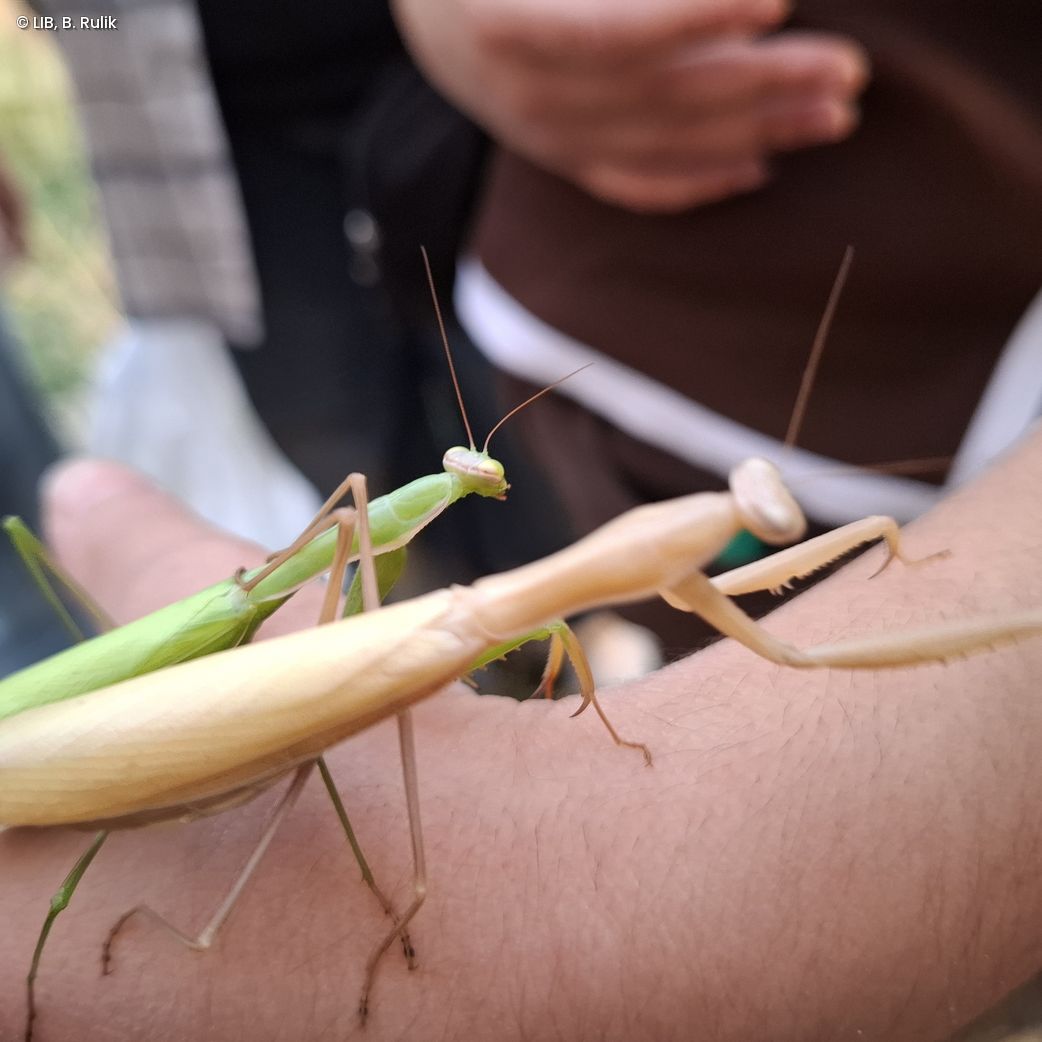
The nature of this collaboration was already evident in the run-up to COP17: on 12 September, a BioBlitz took place at the Dalma Gardens in Yerevan, organised by the LIB in collaboration with Yerevan State University, the Acopian Centre for the Environment and SOLUTION LLC. Members of the public were able to explore and document the local biodiversity alongside experts.
A key priority for the LIB is to strengthen biodiversity research, particularly in areas where biodiversity is especially rich. This requires long-term research infrastructure and regional biodiversity hubs that foster local expertise and facilitate international scientific collaboration.
LIB Director-General Prof. Dr Dr h. c. Bernhard Misof emphasises: “It is also the responsibility of the scientific community in the Global North to support the research carried out by our colleagues and partners in biodiversity hotspots. The aim is to create a global network of biodiversity knowledge. Biodiversity knows no national borders, and neither should knowledge of biodiversity.”
Open access to biodiversity data as a basis for research and conservation
Another key focus for the LIB at COP17 is the handling of digital sequence information (DSI). This data forms an indispensable basis for researching biodiversity, identifying changes and making scientifically sound decisions regarding its protection and sustainable use. The LIB is therefore committed to open access to DSI and a fair, workable international system of benefit-sharing.
LIB scientist Björn Rulik emphasises: “Global, free and open access to DSI is essential for biodiversity research, for decisions on biodiversity protection and conservation, and for the sustainable use of resources!”
Joint appeal to policymakers
In the run-up to COP17, the LIB, together with four other natural history research institutions, appealed to German policymakers to implement the objectives of the Global Biodiversity Agreement with determination. Among other things, the signatories call for reliable funding for biodiversity conservation, the strengthening of the scientific basis for biodiversity research, and an effective international framework for the management of biodiversity data. On behalf of the LIB, Director-General Bernhard Misof signed the joint letter.
The full appeal and the key demands are available here:
https://leibniz-lib.de/en/news/research-museums-call-for-decisive-action.html


Scientific LIB contact

Press Contact (LIB Bonn)

- Head of Communications, Press and Events, Bonn
- Press Officer
Phone: +49 228 9122 215
Mobile: +49 170 2747 926
E-Mail: a.hostert@leibniz-lib.de
Press Contact (LIB Hamburg)
